Skincare Journal

The Magic of Bioavailability: Why Cold-Processed Botanicals Only Matter If Your Skin Can Use Them

The Magic of Bioavailability: Why Cold-Processed Botanicals Only Matter If Your Skin Can Use Them

In modern botanical skincare, it's easy to get distracted by ingredient lists: rare flower extracts, wild crafted hydrosols, plant stem cells.Ā 

But there is a more essential question beneath the poetry of the plant:

How much of this is available to the skin — at the right time, and in the right form?

That's bioavailability. And in high-performance skincare, it refers to something quite practical: how effectively a formula delivers skin-compatible compounds to the upper layers of the stratum corneum - improving resilience, comfort, and radiance in ways you can see and feel.

Here's a grounded look at bioavailability through three botanical formats we prioritize at TellurideGlow: cold-processed seed oils, targeted plant extracts, and fragrant hydrosols.

The science of bioavailability

Your skin's outermost layer,Ā  the stratum corneum,Ā  is a sophisticated barrier whose primary job is to protect you. Think of it structurally as a brick wall: corneocytes form the bricks, while an intercellular lipid matrix of ceramides, cholesterol, and fatty acids acts as the mortar holding everything together.

For a botanical ingredient to be truly bioavailable, it has to work with this architecture — through the right chemical fit, the right delivery vehicle, and the right application context. That's where ingredient craftsmanship either earns its reputation or doesn't.

Cold-processed botanical oils: why extraction temperature dictates performance

Botanical oils are primarily composed of triglycerides, but the real performance story lives in a much smaller fraction -Ā  the "unsaponifiable" compounds.Ā 

Tocopherols, phytosterols, carotenoids: these minor constituents are what drive the most significant sensory and conditioning benefits, and they are exquisitely sensitive to heat, light, and oxygen.

Cold-pressing with minimal heat preserves the structural integrity of these compounds. It's why you can feel the difference. A well-made cold-pressed oil has a superior settle on skin — a more complex lipid profile that integrates rather than sits on the surface.

For oils, bioavailability is about delivering skin-compatible lipids exactly where they support the health and resilience of the skin’s own barrier.Ā 

Botanical extracts: specificity over presence

Extracts allow us to capture plant molecules that don't naturally travel in oil and to deliver them at a controlled concentration. The method matters enormously here. An aqueous glycerin extraction pulls very different constituents than a sophisticated COā‚‚ process, which can preserve aromatic and lipid-soluble fractions without the degradation that heat introduces.

The goal with any extract isn't plant presence on a label. It's targeted delivery - key compounds that remain stable, compatible with the formula base, and effective the moment they touch your skin.

Hydrosols: the underrated structural layer

Hydrosols are the aromatic waters produced during steam distillation -Ā  and they are routinely underestimated. They are not diluted essential oils. They are an entirely distinct botanical format, with their own trace compounds, their own feel, and a specific job that no other step does as well.

That job is context. A lightly damp surface improves how subsequent products spread, reduces uneven distribution, and creates the aqueous environment where humectants and lipids can excel. The hydrosol doesn't need to be the most dramatic step in a routine to be one of the most important ones. Its power is structural, and when it's removed, everything that follows it notices.

The delivery system

Even the most exceptional botanicals will underperform if the sequence doesn't match skin physiology. The order that holds across most skin types is simple: Water → Bind → Seal.

A damp surface or hydrosol comes first. A humectant-rich essence follows to bind that water in the upper layers. A lipid-rich serum or oil finishes by locking in hydration and slowing evaporation.Ā 

Each step depends on the one before it. When the sequence is right, the whole routine performs above what any single product could do alone.

One detail worth noting: apply your next layer while skin is still slightly damp. Once skin reaches complete dryness between steps, that window for optimal integration has passed. If it happens, simply mist again and continue.

Preserving bioavailability at home

The craft that goes into a cold-processed botanical formula deserves to be protected all the way to your skin. Treat these products with respect: stored cool and dark, away from steaming showers and sunny windowsills. Dark glass packaging limits light degradation on our end, consistent storage habits complete the chain on yours.

The bottom line

Bioavailability is the bridge between beautiful ingredients and the results you can actually see and feel. Botanical craftsmanship matters most when the formula protects delicate compounds, storage preserves freshness, and layering works with the skin's own architecture.

Continue reading

The Damp Skin Rule: How to Layer Serums for Better Barrier Support

The Damp Skin Rule: How to Layer Serums for Better Barrier Support

Are you moisturizing faithfully but still feeling dry? The secret isn’t just what you apply, but when. Discover the "Water Step + Lipid Step"—a botanical sequencing ritual designed to lock in hydration, support the skin barrier, and transform the way your serums perform.

Continue reading

The Botanical Wisdom of Blackcurrant Seed Oil for Resilient Skin

The Botanical Wisdom of Blackcurrant Seed Oil for Resilient Skin

In the mountains, beauty is inextricably linked to resilience. To survive the shifting extremes of high-altitude living, plants must become masters of adaptation. Among these, the blackcurrant shrub (Ribes nigrum) stands as a testament to botanical tenacity.

Native to the rugged landscapes of Europe and Northern Asia, this cold-hardy plant thrives in moisture-rich, fertile soils. It is these environmental pressures—long cold winters and intense UV exposure—that drive the plant to synthesize a complex array of phytonutrients. When pressed, its seeds yield an oil that acts as a "treatment lipid," offering a rare balance of nutrients well-suited to skin facing similar environmental stressors.

The biochemistry of resilience: why blackcurrant seed oil?

Blackcurrant seed oil is a standout in the botanical world for its meaningful concentration of both omega-3 and omega-6 fatty acids, alongside a rare "hero" lipid: stearidonic acid (SDA).

Benefits of blackcurrant seed oil for skin health

Barrier support & moisture retention (GLA)

Blackcurrant seed oil is a rich source of gamma-linolenic acid (GLA), an omega-6 fatty acid that helps support the skin’s natural lipid barrier.

While there are other botanical oils used in skincare that contain GLA, blackcurrant seed oil offers nearly double the concentration (approximately 15–17%). This makes it a strong choice for dry or mature skin . By reinforcing the skin's moisture layer, it helps minimize transepidermal water loss (TEWL), supporting a hydrated, supple complexion.

Restorative properties (Stearidonic Acid)

Perhaps the most impressive component of Ribes nigrum is stearidonic acid (SDA). This rare omega-3 acts as a precursor to eicosapentaenoic acid (EPA), a compound more commonly found in marine sources. EPAĀ helps to support the appearance of calm, balanced skin—especially in response to wind, cold, or sun exposure.

Antioxidant support (ALA)

Blackcurrant seeds are rich in alpha-linolenic acid (ALA) and phenolic compounds. These phytonutrients offer antioxidant benefits, working to neutralize free radicals caused by UV exposure and environmental pollutants—an important part of maintaining lasting skin vitality.

Lightweight, balancing texture

With its light molecular weight, blackcurrant seed oil absorbs readily, delivering nutrients into the upper layers of the skin and supporting a balanced, even texture.

A tradition of alpine wellness

Beyond modern skincare, blackcurrant has deep roots in European folk herbalism. You may be familiar with the French Kir Royale, which uses CrĆØme de Cassis, a ruby red liqueur derived from blackcurrant berries. That deep, iconic pigment is a visual cue of the plant's high antioxidant load.

Today, blackcurrant remains popular as a wellness supplement. You may have seen it in the vitamin aisle of your local Whole Foods — for use as an immune booster during cold and flu season.Ā 

At TellurideGlow, we view our use of blackcurrant seed oil as a continuation of this tradition—honoring traditional botanical knowledge while integrating modern lipid science.

How we formulate with blackcurrant

In our Phytonutrient Oil Cleanser, blackcurrant seed oil brings antioxidant nourishment to a formula grounded in a luxurious base of organic marula, moringa, and tamanu oils.

Its light texture and high bioavailability allow it to deliver nutrients before the cleanser emulsifies into a delicate milk and rinses away, leaving your skin soft, replenished, and balanced.

Skin from Within Tip: If you already take a daily Omega-3 or GLA supplement, you’re already supporting your skin’s lipid barrier from the inside. Using Blackcurrant Seed Oil topically creates a "double-layer" of resilience, protecting the barrier from external stressors while your body supports it from within.

Continue reading

Why Oil Cleansing Is the Secret to Cold-Weather Radiance

Why Oil Cleansing Is the Secret to Cold-Weather Radiance

Winter may be beautiful, but it can be brutal on your skin. Ā 

As temperatures drop, your skin’s barrier — its first line of defense — weakens. When that happens, moisture escapes, sensitivity increases, and fine lines appear more pronounced.

That’s why this season calls for a gentler, more nourishing approach to cleansing.

Why Oil Cleansing Belongs in Your Winter Skincare Routine

Cleansing oils do more than dissolve makeup and impurities — they restore harmony to the skin’s lipid barrier. Unlike foaming cleansers that leave skin tight, an oil cleanser, like our Phytonutrient Oil Cleanser, respects your skin’s natural ecosystem.

Here’s how an oil-based cleanse transforms winter skin:

1. Restores the Lipid Barrier

In cold, dry air, skin struggles to maintain its own oils. A botanical oil cleanser replenishes essential lipids, preventing transepidermal water loss (TEWL) and restoring softness and resilience.

2. Dissolves Impurities Without Stripping

ā€œLike dissolves like.ā€ The natural oils in a cleanser bind to excess sebum, makeup, and pollutants — gently lifting them away without disrupting moisture balance.

3. Soothes and Rebalances Winter-Stressed Skin

Winter often brings redness and reactivity. The Phytonutrient Oil Cleanser blends alpine adaptogens and restorative botanicals such as Calendula, Black Currant, and Moringa to calm irritation while deeply conditioning the skin barrier.

4. Prepares Skin for Optimal Absorption

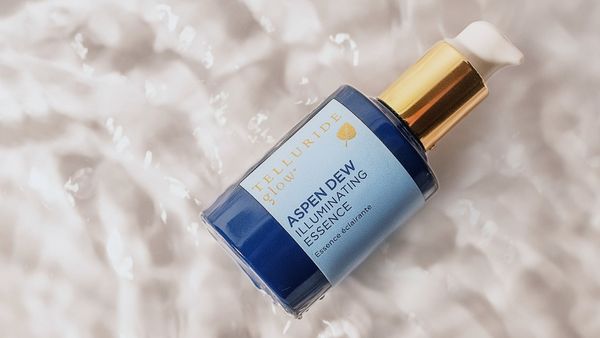
A clean, hydrated surface allows serums and essences to penetrate more effectively. Oil cleansing sets the stage for deeper nourishment — especially when followed by Aspen Dew Illuminating Essence and The Alpine Phytonutrient Serum.

Your Winter Cleansing Ritual

Give your skin a moment of alpine calm each evening with this simple ritual:

Step 1: Melt Away the Day

Warm 3–5 pumps of theĀ Phytonutrient Oil Cleanser between your palms.
Massage gently over dry skin in circular motions, breathing in the subtle notes of alpine botanicals.Ā 

Step 2: Emulsify and Rinse

Add a few drops of warm water to transform the oil into a light, milky emulsion.
Rinse thoroughly or remove with a soft, damp cloth — your skin should feel supple, not squeaky.

Step 3: Treat with a Mist

Spritz withĀ Neroli Hydrasoothe Treatment Mist to pre-treat extra dry skin and prep for Aspen Dew.

Step 4: Hydrate and Fortify

Follow with Aspen Dew Illuminating Essence to deeply hydrate, then seal it all in withĀ The Alpine Phytonutrient Serum or The Purist Delicate Skin Serum for lasting nourishment.

Key Botanicals to Nourish Winter Skin

Every drop of this golden oil is designed to cleanse and condition in one step, marrying efficacy with alpine purity.

  • Marula: Restores and comforts compromised, wind-chapped skin.
  • Alpine Black Currant: Omega-rich lipids nourish and strengthen the barrier.
  • Moringa: A vitamin-packed botanical that purifies and softens.
  • Mountain Calendula: Calms reactive winter skin while easing visible redness.

The result: a complexion that feels balanced, luminous, and quietly renewed — even when the world outside is frozen.

The Alpine Approach to Winter Radiance

Winter doesn’t have to dry your skin out.
By replenishing as you melt away the days impurities — you create the foundation for every other step in your skincare ritual. Read more in our comprehensive guide to winter skincare for mature skin.

The Phytonutrient Oil Cleanser is more than a cleanser; it’s an invitation to slow down, restore, and reconnect with your skin’s natural rhythm.

Continue reading

Ceramides & Fatty Acids: The Structural Lipids Behind Resilient, Radiant Skin

Ceramides & Fatty Acids: The Structural Lipids Behind Resilient, Radiant Skin

As skin matures, barrier lipids like ceramides and fatty acids decline—leading to dryness, reactivity, and premature aging. Discover how phytoceramides and omega-rich oils from alpine botanicals restore resilience, hydration, and structural integrity, naturally.

Continue reading

Aspen Bark Benefits for Skin Health

Aspen Bark Benefits for Skin Health

Aspen, scientifically known as Populus tremuloides, and colloquially referred to as the quaking aspen for its distinctive fluttering leaves, is more than just an aesthetically pleasing deciduous tree native to North America.

Beyond its visual charm and the timber's valued durability and disease resistance, aspen harbors potent phytonutrients that offer a myriad of benefits for skin health.

Aspen bark is aĀ phytonutrient powerhouse

The resilience of aspen trees, capable of thriving in harsh high-altitude environments, is largely attributable to their rich content of polyphenols and alkaloids. These compounds not only enable the aspen to fend off predators and diseases but also imbue it with remarkable longevity. Such phytonutrients are what make aspen bark extract a remarkabkle ingredient for skincare, providing significant anti-microbial, anti-oxidant, and anti-inflammatory benefits.

The historical & medicinal significance of aspen bark

Historically, aspen has been revered for its medicinal properties. Indigenous peoples of North America utilized it for treating a variety of conditions, from fever and skin burns to respiratory ailments.

The bark, in particular, was noted for its healing effects on wounds and chilblains, as well as its analgesic and anti-inflammatory properties, offering relief from back pain and potentially mitigating gastric ulcers.

Aspen bark extract in skincare

Smoothing and Softening Effects

Aspen bark is a treasure trove of salicin, a precursor to salicylic acid, which acts as a gentle exfoliator.

By promoting the shedding of dead skin cells, salicin helps to smooth, soften, and brighten the skin, enhancing texture, diminishing fine lines, and revitalizing the complexion.

Ideal for sensitive skin

Due to its non-irritant nature, aspen bark extract is well-suited for sensitive skin types. It serves as a natural preservative, offering a safer alternative to traditional parabens while reducing the potential for skin irritation.

Anti-inflammatory properties

The blend of salicin and polyphenols in aspen bark extract provides significant anti-inflammatory effects. This can be particularly beneficial for calming reactive or irritated skin, with antioxidants helping to soothe the epidermis by combating free radicals and inflammation.

Potent antioxidant activity

Aspen bark extract's high phytonutrient contentĀ makes it a powerful antioxidant. Polyphenols protect the skin's structural proteins, such as collagen and elastin, from oxidative damage. This helps to preserve skin integrity and combating signs of premature aging.

Incorporating aspen bark into your skincare routine

Leveraging the power of aspen bark extract in skincare products, like our Aspen Dew Illuminating Essence, can significantly enhance skin health.

Its unique ability to smooth, soften, and calm, makes it an invaluable ingredient for anyone looking to restore balance and brightness to their complexion.

Continue reading

Skin Flooding: Extreme Hydration Benefits & How to Do It

Skin Flooding: Extreme Hydration Benefits & How to Do It

Skin flooding is a skincare layering technique designed to deeply hydrate skin by using a specific application method that drenches dry and dehydrated skin in moisture.

The goal of skin flooding is to quench dry skin so completely that you visibly plump up fine lines for a dewy, smooth complexion. It can also be used as a night-time recovery treatment for parched, dry, chronically dehydrated skin.Ā 

What is skin flooding?

This layering philosophy has its roots in traditional Korean and Japanese skincare rituals which use multiple applications of floral essences and flower waters to hydrate skin.

You flood skin by drenching it in hydration using several humectants like a hydrosol, glycerin-based toner, or floral essence, then locking in that moisture with a nourishing emollient & occlusive such as an oil serum and/or moisturizer.

This extreme quenching technique restores moisture to dry dehydrated skin and promotes cellular turnover by supporting natural exfoliation. With dry skin, dead cells tend to cling to the surface longer, making skin look dull and diminishing luminosity. After a time this can contribute to slower cell turnover as the skin is not getting the environmental signals it needs for cellular regeneration.

How to do skin flooding with TellurideGlow

My personal preference for this is as an evening treatment once or twice a week.Ā 

However, if skin is especially dull and dry like during retinol use, you can add this technique to your daytime routine.Ā 

Skin flooding is especially refreshing after an international flight or a day out in the elements.

Here’s how:

  1. Start with a freshly cleansed, still-damp face and neck.
  2. Spritz your face lightly (2-3 times) with a floral hydrosol, we love a good single-origin rose hydrosol for the many restorative properties of roses and the exquisite aroma. Wait 30 seconds.
  3. Apply 1-2 pumps of Aspen Dew Illuminating Essence. Pat the essence into your face and neck. Wait 30 seconds.
  4. Repeat steps 2 & 3. You can also use a glycerine-based toner.Ā 
  5. Each layer you apply will take a bit longer to sink as your skin becomes more and more saturated with moisture after each application.
  6. Lock in all the hydration by pressing 1-2 pumps of Alpine Phytonutrient Serum or Purist Delicate Skin Serum to seal it all in. Avoid rubbing your skin to minimize any pilling.

Pro tip: Don't overdo it, some people recommend applying 10+ products to the skin but this is a waste because 2-3 products are all you need. Use higher quality products and fewer of them.

Remember, skin flooding is a treatment technique, you don’t need to do it every night, once a week is plenty for most.

Benefits of skin flooding

  • Plumps line lines
  • Gives skin a fresh dewy appearance
  • Restores luminosity and radiance
  • Boosy luminosity and radiance
  • Intensely hydrates dehydrated skin
  • Improves skin barrier health
  • PromotesĀ skin renewal

Key points on skin flooding

As with every skincare routine, less is more. Use high-quality hydrating products that deliver meaningful hydration. Use it as a treatment, not as a substitute for your regular skincare routine. Enjoy!

Continue reading

Face Oil vs. Oil Serum: What's the Difference?

Face Oil vs. Oil Serum: What's the Difference?

Recently a friend asked to explain the difference between a face oil, and an oil serum. ā€œAren’t they the same?ā€ she asked.

The answer is, no.Ā 

The word ā€˜serum’ is widely used in skincare and means different things to different people.Ā The confusion arises because serums can be gel based, water based, oil based, or an emulsion of both oil & water.Ā 

For our purposes, we will focus on oil-based serums vs face oils as these are the two that are most commonly mixed up.

So what’s the difference?Ā Let’s clarify the confusion.

Understanding face oils andĀ oilĀ serums

Both face oils and oil based serums are prevalent in today’s skincare. This is because botanical oils quickly and easily penetrate into the top layer of the dermis and help strengthen skin barrier function providing instant moisturization and comfort to skin.

But there is one key difference between the two, and that difference lies ultimately in visible results you get from using one versus the other. Let's dive in.

Face oils

Face oils are made of general purpose carrier oils that moisturize the skin by reinforcing its barrier. This makes them ideal for basic, daily hydration.Ā Many face oils are single ingredient oils, like apricot kernel or jojoba oil, with no additional ingredients. While a few may include a modest percentage of high-performance oils, they generally lack the targeted botanical actives found in a facial serum.Ā 

In a nutshell, face oils are:

  • Made predominantly with carrier oils like almond, apricot, jojoba, or macerated oils (carrot, marigold, comfrey).
  • Include few, if any, aromaceutical ingredients like essential oils.
  • Contain no biologically active compounds aside from tocopherol (vitamin E) as an antioxidant.
  • Provide basic daily skin moisturizing.Ā 

Serums

Oil serums, on the other hand, are used as concentrated restorative and revitalizing treatments that deliver visible results.Ā 

They contain high-performance biologically active compounds, precious oils, antioxidants, and aromaceuticals. These specializedĀ ingredients not only moisturize and support skin barrier health, they also include restorative essential fatty acids and other phytonutrients that can be metabolized by the skin.Ā 

High performance seed oils like sea buckthorn oil, rosehip seed oil, moringa, camellia seed oil, and dry oils like meadowfoam are prevalent in serums for their deep-penetrating and fast-absorbing qualities.

Unlike face oils, facial serums target specific concerns like wrinkles, hyperpigmentation, or enlarged pores by using active ingredients that offer visible benefits beyond hydration.

In summary, facial serums:

  • Target specific concerns like; spots, fine lines, reactive skin, acne-prone skin, flaky skin, and more.
  • Have marked effects on improving the appearance of skin.
  • Absorb quickly and penetrate deeply into the skin.
  • Are made with high performance botanical oils like sea buckthorn oil, rosehip seed oil, moringa oil, camellia seed oil, and dry oils like meadowfoam.
  • Contain concentrated amounts of antioxidants (polyphenols) like flavanals, flavones, and resveratrol, to name a few.
  • Contain biologically active compounds.
  • Are rich in essential fatty acids, Omegas 3,6,7, and 9.
  • Some even Iinclude mood-boosting aromaceuticals like precious essential oils from rose, neroli, and other rare flower essences.

Anatomy of an oil serum

AĀ facial serum like our Alpine Phytonutrient Serum is crafted to smooth fine lines, restoring vibrancy and radiance to depleted skin. It also contains aromatic compounds that uplift mood and boost relaxation. Results are immediately visibible and long lasting.

Key ingredients and their benefits

TheĀ Alpine Phytonutrient Serum is a testament to the efficacy of meticulously selected ingredients.Ā 

This serum features:

  • Arnica Montana: Known These blooms target puffiness andĀ dark spots.
  • High Altitude Sea Buckthorn and Rosehip: These ingredients are rich in antioxidants and essential fatty acids that help restore skin luminosity and tone.
  • Nepalese Goji and Acai: promote hydrophilic skin plumping and minimize the appearance of fine lines.

How to use an oil serum

To integrate oil serums into your skincare regime, start with a clean base. For serums like The Alpine, apply one pump or 2-3 drops directly to the face and neck, massaging gently until absorbed.Ā 

Serums can be layered under a moisturizer or sunscreen for daytime use or under a richer cream at night for enhanced benefits.

Why choose TellurideGlow serums?

Our serums are a blend of nature’s best ingredients tailored to nurture and revitalize your skin. They stand out due to their:

  • High Concentration of Active Ingredients: Delivering targeted solutions to enhance your skin’s health.
  • Rapid Absorption: Ensuring that potent ingredients penetrate deeply without leaving a greasy residue.
  • Versatility: Suitable for use in any skincare routine, whether morning or night.

Choosing between a face oil and a serum doesn’t have to be an either/or decision. Depending on your skin’s needs, incorporating both into your skincare routine can provide comprehensive benefits.Ā 

With TellurideGlow’s carefully formulated products, empower your skincare routine with the best of nature and science.

Continue reading

A Peek into The World of Alpine Extremophiles

A Peek into The World of Alpine Extremophiles

Effective recovery skincare starts with premium ingredients that go well beyond average. Our science-backed secret at TellurideGlow is integrating high-performance and high-grade extremophiles, with minimal processing, into every TellurideGlow formula.Ā 

Extreme-O what?!?

An extremophile is an organism that thrives in physically or geochemically extreme conditions that are detrimental to most life on Earth. Extremophiles hail from the harshest environments on the planet, including mountainous regions. In the plant kingdom, botanical extremophiles are also known asĀ  extremophytes.

Not all antioxidants are alike. It is the very nature of extremophiles to thrive where other organisms cannot, doing so by producing potent secondary metabolites that manufacture an abundance of phytonutrients, the real workhorses of antioxidants that encourage regeneration, discourage inflammation and defend against aggression.

Palpable botanical benefits are the phytoceramides, essential fatty acids, phytonutrients, vitamins, and minerals in abundance that help keep both plants and skin healthy and vitalized.

Think of extremophiles as the Olympic athletes of plants. They continually train harder and perform better than the average plant, and the results are more profound.

How it all started

Our founder, Mary Alice, had a mission to not let the unforgiving climate of Telluride, Colorado win the battle over healthy skin. Depleted skin became the norm from living about 9,000 feet above sea level with low oxygen and humidity, intense UV radiation, and extreme wind, snowfall, and temperatures. Nothing worked, at any price.Ā 

Her research led right outside of her window in the 13,000 to 14,000 majestic peaks surrounding Telluride. The most brutal growing conditions in the world also produce the most powerful, high-performance plants in the world, and those plants became integral to TellurideGlow’s Recovery Skincare.

TellurideGlow delivers results with some of the industry’s highest concentrations of powerful nutrients from 13 fortifying alpine survivalist plants to transport the energy of nature right to your skin.

We harness the power of over 50 of the highest-grade botanical ingredients for complete skin-beautifying nutrition. Every product is 100% natural with actives that help to accelerate regeneration, way beyond average.

Alpine plant power is at the heart of every TellurideGlow creation, formulated with the highest ratios and the greatest variety of cytoprotective alpine botanicals on the market for unsurpassed skin revival.

Ā ā€œI love this oil! It's the best moisturizer for this dry, rotten climate I live in!ā€ ~CynthiaĀ 

Hardworking alpine recovery botanicals restore skin healthĀ 

We step beyond the boundaries of Telluride to find extremophile plants with the most active, skin-boosting whole-plant ingredients that can only be found in exotic higher elevations, and make them the foundation for elevated recovery skincare.

Antioxidant-rich Cloudberries withstanding temperatures of 40 below zero in Arctic Scandinavia

Rare and protected Edelweiss from the Swiss Alps with more free radical fighting ability than vitamin C

Himalayan Sea Buckthorn Berries with over 190 micronutrients that feed your skin

Rare, mineral-rich Glacial Clay from the Southern Alps of New Zealand

Skin-smoothing Aspen Bark plus mountain meadow Arnica to boost circulation

Actives from these survivalist plants keep your skin feeling so nourished that you can walk out of the house without giving it a second thought.

ā€œYou have a beautiful product! Yesterday I went to physical therapy, so no makeup. Everyone kept telling me how beautiful my skin is!!ā€ ~G. Johnson

Vibrant skin to withstand urban agression

Harsh weather. Pollutants. Stress. Aging. Sensitivities. Outdoor lifestyles. They all contribute to skin aging faster than normal. And while we know we can’t stop aging, we know we can slow down its effects.Ā 

Ā ā€œHarsh weather conditions disrupt the skin surface barrier affecting the skin’s ability to retain moisture.ā€ ~ Dr. Hextall, dermatologist, The Harley Medical GroupĀ  Ā Ā 

Thanks to Mother Nature and her extremophiles, your skin can reclaim strength and resiliency, withstanding any modern-day stresses, anywhere.Ā 

Continue reading

High-Altitude Lavender | History's Most Calming Botanical

High-Altitude Lavender | History's Most Calming Botanical

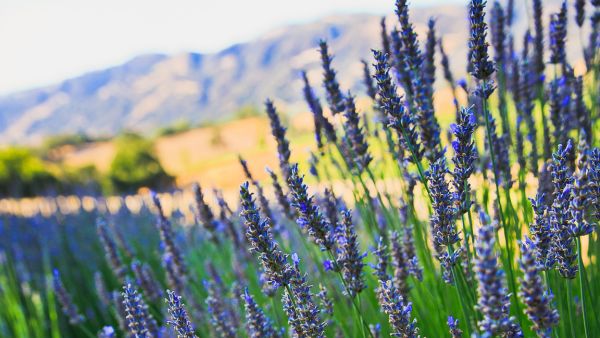
Lavender, knownĀ by it's Latin name as Lavandula, has captivatedĀ our senses for millennia, not just with its delightful aroma but also with its extensive medicinal and therapeutic properties.

High-altitude lavender, with its unique adaptogenic properties and rich phytochemical content, stands out for its enhanced phytochemical richness whichĀ play a pivotal role in enhancing skin health and emotional well-being.

History and traditionalĀ uses of lavendar

The story of lavender is woven deeply into the fabric of history, dating back to ancient civilizations.

In Ancient Egypt, lavender played a crucial role in the mummification process and perfumery.

It is famously associated with Cleopatra's seduction of Julius Caesar and Mark Antony. Its protective qualities were revered, believed to ward off evil spirits and diseases such as the plague and cholera in medieval Europe.

In Roman times, lavedar was a symbol of cleanliness and purity. Fun fact,Ā  its name is derived from the Latin lavare, meaning "to wash," indicative of its use in Roman bathing rituals.

Lavender's healing properties were also recognized in early medicine by Greek physician Dioscorides and further celebrated by herbalist John Parkinson and in Traditional Chinese Medicine for its cooling and soothing effects.

The 20th century saw the pioneering work of French chemist Rene-Maurice Gattefosse, who, after experiencing lavender's healing effects first hand. After sustaining a burn on his hand he famously plunged it into a vat of lavender oil and was reportedly astonished atĀ the speed with which his hand healed.

Gattefosse's study of lavendar contributed significantly to the foundation of modern aromatherapy, highlighting its antimicrobial and skin regeneration benefits.

The unique benefits of high-altitude lavender

Enhanced relaxation andĀ improved sleep

The sedative properties of high-altitude lavender essential oil have been well-documented, showing significant improvement in sleep quality and stress reduction. Its intense aroma, rich in linalool and linalyl acetate, contributes to its calming effects on the nervous system.

Anti-inflammatory effects

Research highlights lavender oil's ability to mitigate inflammatory responses and soothe skin conditions. Its anti-inflammatory properties make it an excellent choice for reducing redness and discomfort onĀ reactive skin.

Antimicrobial activity

Lavender oil's broad-spectrum antimicrobial properties are effective against skin pathogens, supporting its traditional use in cleansing wounds and preventing infections.

PromotesĀ skinĀ recovery and collagen synthesis

Studies have shown that lavender essential oil may helpĀ speedĀ skin recovery by enhancing fibroblast activity and collagen synthesis. This property is crucial for improving skin health and integrity.

GuardsĀ against premature aging

The polyphenols in high-altitude lavender offer significant antioxidant protection, safeguarding the skin from environmental stressors, UV damage, and preventing signs of premature aging.

Lavender in skincareĀ & wellness

The historical and scientific narratives of lavender converge to underscore its timeless appeal and enduring value in skincare and wellness.

High-altitude lavender, with its unique adaptogenic properties, represents the pinnacle of this botanical's potential, offering a holistic approach to nurturing the skin and calming the mind.

Incorporating high-altitude lavender into your daily routine can help to enhance sleep quality, reduce stress, promote skin health and protect against premature aging.

Lavender oil is a true testament to the power of nature in supporting our overall well-being.

Lavender's journey from ancient rituals and royal endorsements to modern-day aromatherapy and skincare formulations encapsulates its multifaceted role as a botanical treasure.

As we continue to explore and appreciate lavender's many benefits, we honor a tradition that blends ancient wisdom with contemporary science, ensuring that lavender remains a cherished ingredient in our pursuit of natural health and beauty.

Article References

  1. Lytle, J., et al. (2014). "Study on the Effect of Inhalation of Lavender Essential Oil on Patients with Insomnia." Journal of Alternative and Complementary Medicine.
  2. Donelli, D., et al. (2019). "Effects of Lavender on Anxiety: A Systematic Review and Meta-Analysis." Phytomedicine.
  3. SƔnchez-VidaƱa, D. I., et al. (2017). "The Effectiveness of Lavender Essential Oil on Inflammatory Responses and Skin Conditions." International Journal of Molecular Sciences.
  4. Zu, Y., et al. (2010). "Antimicrobial Activity of Lavender Oil Against Common Skin Pathogens." Evidence-Based Complementary and Alternative Medicine.
  5. Mori, H. M., et al. (2016). "Accelerated Wound Healing by Lavender Essential Oil in Mice." BMC Complementary Medicine and Therapies.
  6. Pandey, K. B., & Rizvi, S. I. (2009). "Plant Polyphenols as Antioxidants in Human Health and Disease." Free Radical Biology and Medicine.
Continue reading
```html ```